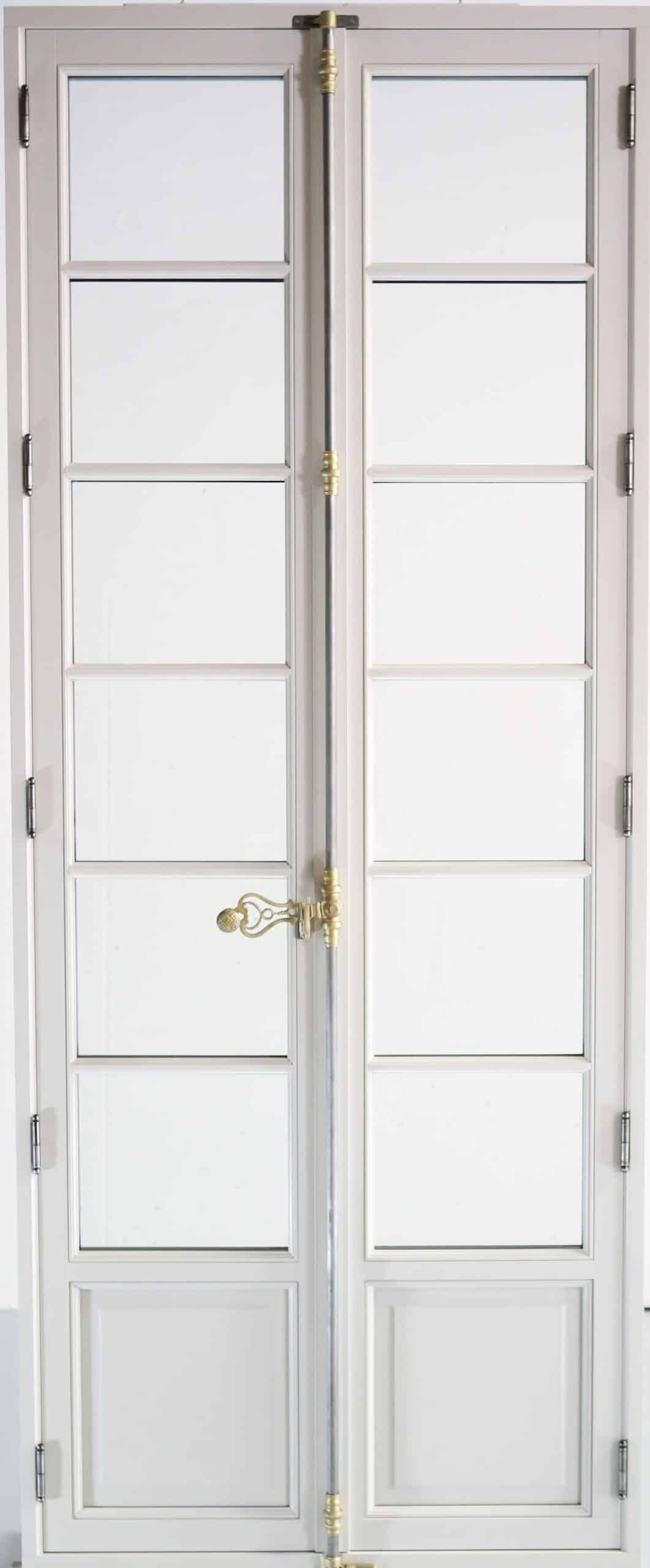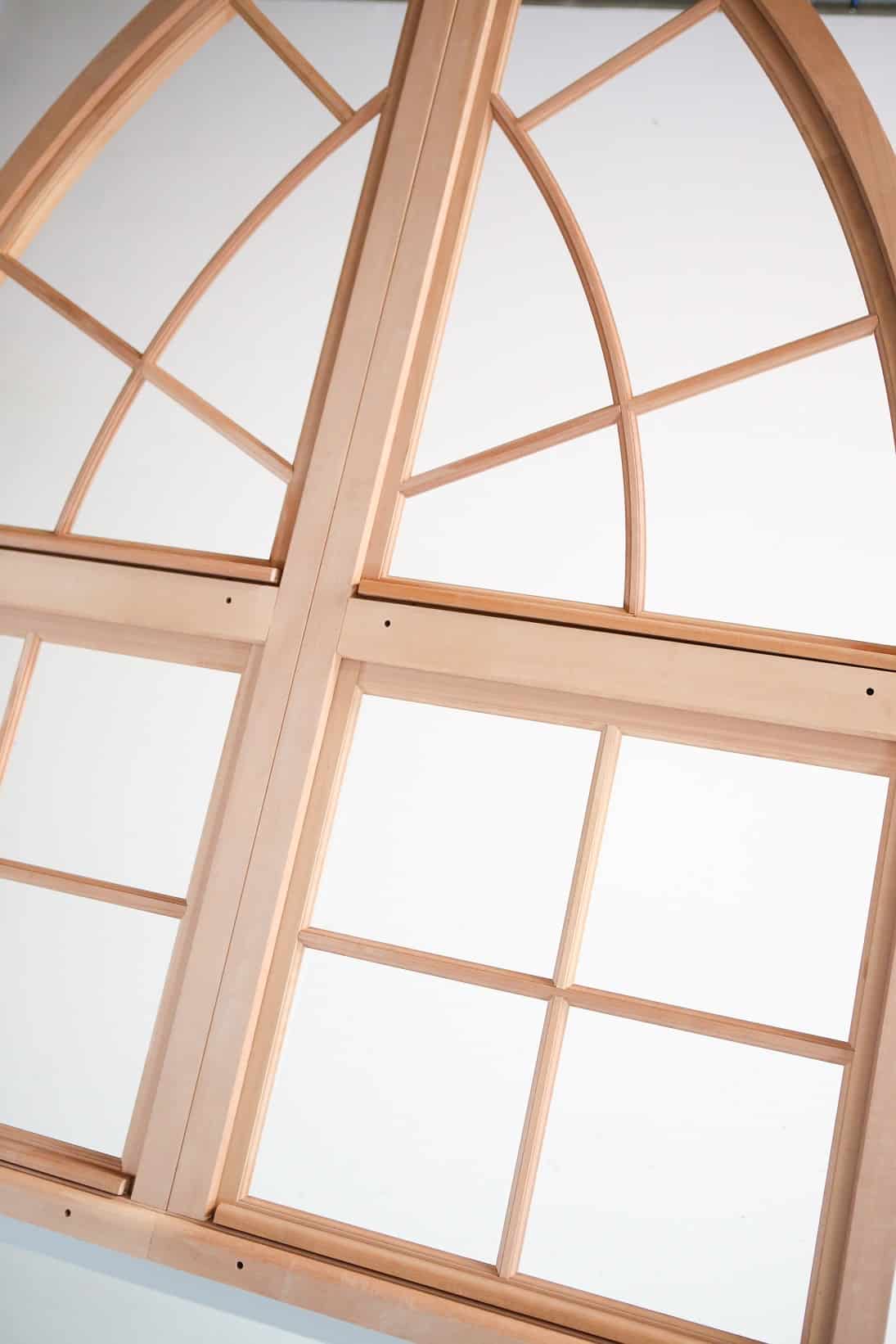

Modern architecture often favors steel windows for their strength, slim profiles, and contemporary appearance. However, steel is a highly conductive material, meaning it can transfer heat and cold easily. Thermal break windows solve this problem, making steel frames far more energy efficient and comfortable for residential use.
Understanding the role of a window thermal break is essential when selecting high-performance windows for your home.
What Is a Window Thermal Break?
A window thermal break is an insulating barrier built into the window frame that separates the interior and exterior steel sections. This barrier, typically made from polyamide or another low-conductivity material, reduces heat transfer through the frame.
Without a thermal break, steel windows can quickly conduct outdoor temperatures inside, causing energy loss and discomfort.
Why Steel Frames Need Thermal Breaks
Steel’s durability and sleek design make it popular, but its thermal conductivity can be a major drawback. Thermal break technology transforms steel frames into energy-efficient components suitable for modern homes.
Key advantages include:
- Reduced heat loss in winter
- Lower heat gain in summer
- Improved indoor temperature stability
- Better overall energy performance
Improved Comfort Year-Round
Thermal break windows help maintain a consistent indoor temperature. By limiting heat transfer through the frame, they reduce cold spots near windows in winter and overheating during warmer months.
This results in a more comfortable living environment without constant reliance on heating or air conditioning.
Reduced Condensation
Condensation occurs when warm indoor air meets cold window surfaces. Thermal breaks keep interior frame surfaces warmer, reducing the likelihood of moisture buildup.
This helps prevent:
- Mold growth
- Water damage
- Deterioration of surrounding materials
Essential for Modern Energy Standards
Today’s building codes and energy standards increasingly require high-performance window systems. Thermal break technology is now a fundamental feature in quality steel windows, especially in regions with significant temperature variations.
Choosing windows with an effective thermal break ensures compliance with modern efficiency expectations while preserving the aesthetic advantages of steel frames.
Conclusion
Thermal break windows are a critical innovation that makes steel frames suitable for energy-efficient homes. By reducing heat transfer, improving comfort, limiting condensation, and lowering energy use, they provide both practical and environmental benefits.
When selecting new windows, understanding the importance of a window thermal break can help you make an informed decision that enhances long-term comfort and performance.