As architectural priorities evolve, window design has become far more than an aesthetic consideration. In 2026, windows sit at the intersection of performance, sustainability, technology, and design expression. Architects and homeowners alike are seeking solutions that maximize natural light while improving energy efficiency and comfort.
Below are the key window design trends shaping residential and commercial projects in 2026.
Black and Dark-Framed Windows Remain a Modern Staple
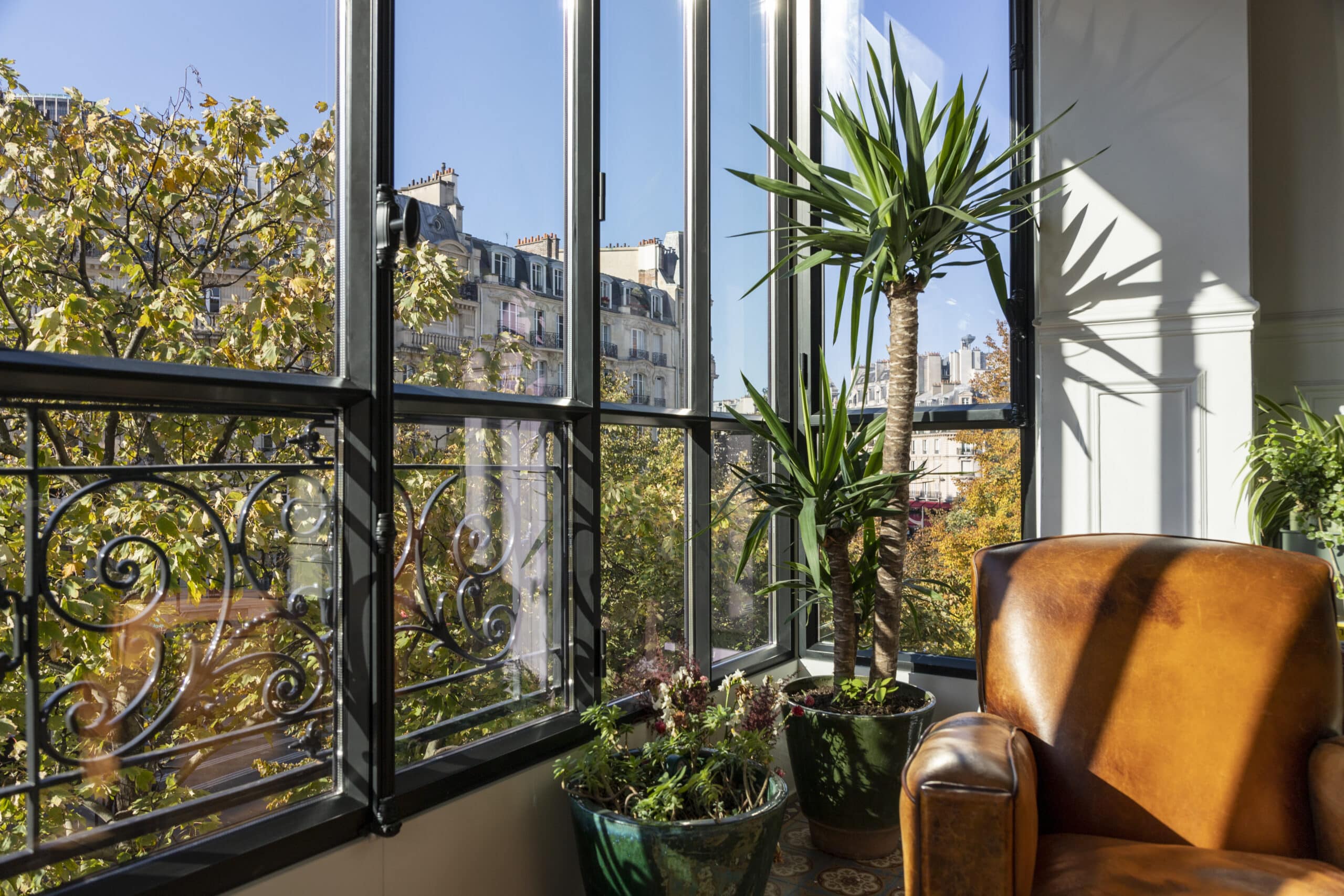
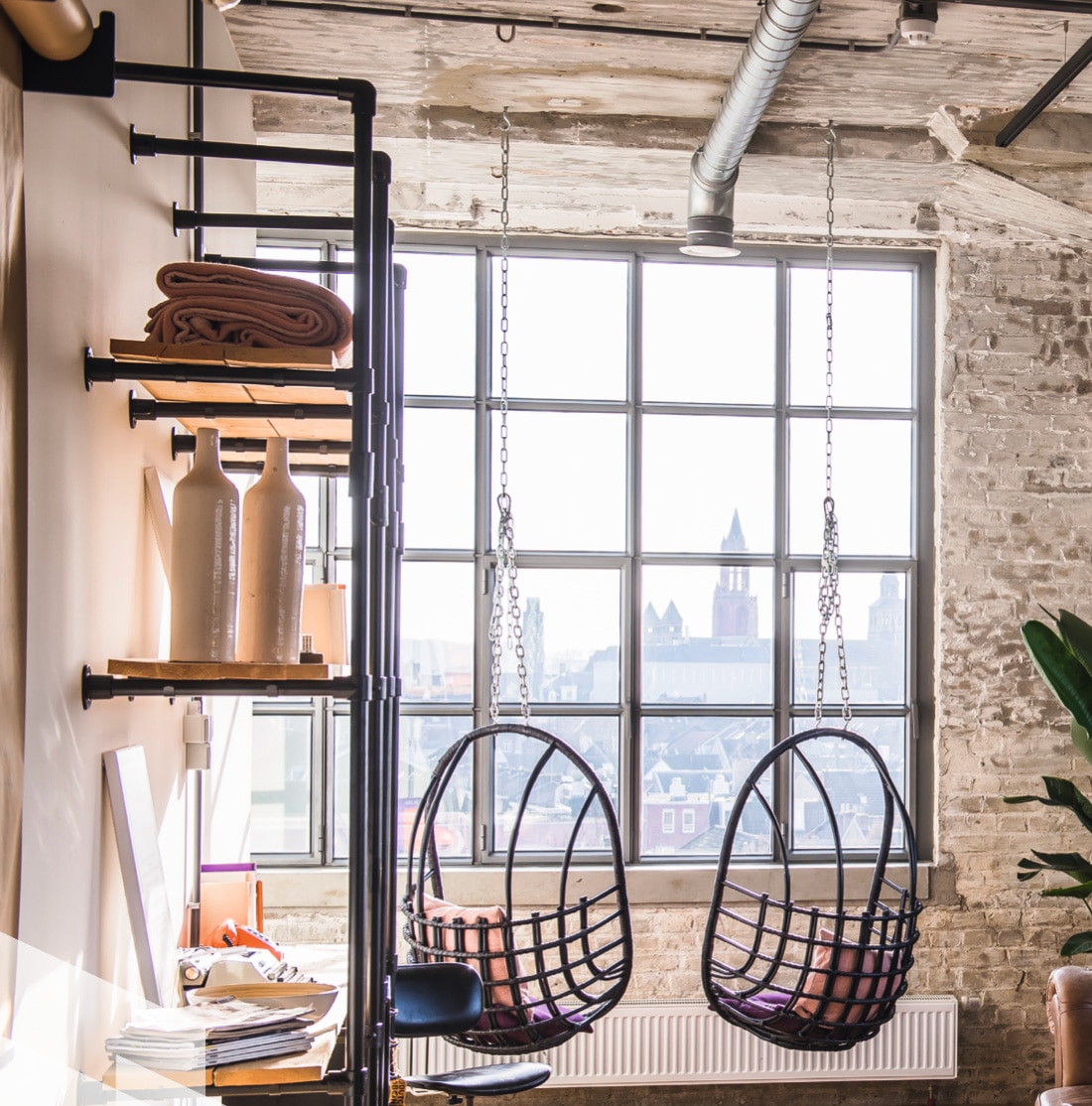
Black window frames continue to define contemporary architecture in 2026, but with a refined evolution. Ultra-slim profiles in steel create clean lines while allowing more glass surface and daylight.
In urban settings and high-end residential projects, dark-framed windows provide:
- Strong architectural contrast
- A timeless, minimalist aesthetic
- Compatibility with both modern and transitional styles
Paired with larger glass surfaces, black frames remain a go-to choice for architects seeking elegance without visual clutter.
Window Walls and Large Glazing for Indoor–Outdoor Living
The demand for natural light and visual connection to the outdoors continues to grow. Window walls, floor-to-ceiling glazing, and expansive sliding systems are increasingly used to blur the boundary between interior and exterior spaces.
In 2026, these systems are designed with performance in mind:
- Advanced thermal insulation
- Solar-control glazing
- Improved acoustic performance for urban environments
Window walls are no longer just a design statement, they are engineered solutions that enhance wellbeing, comfort, and spatial perception.
Energy-Efficient and Sustainable Window Solutions Take Center Stage
Sustainability is no longer optional. High-performance windows are now expected to contribute directly to a building’s energy strategy.
Key features driving window design in 2026 include:
- Triple glazing and low-emissivity (Low-E) coatings
- Improved U-values for thermal performance
- Responsibly sourced wood
- Compatibility with passive and low-energy buildings
Architects increasingly specify windows as a long-term investment, balancing aesthetics with reduced energy consumption and environmental impact.
Smart Windows and Adaptive Glazing Technologies
Smart home integration is influencing window design more than ever. In 2026, innovative glazing solutions allow buildings to adapt dynamically to their environment.
Emerging trends include:
- Smart glass that adjusts tint based on sunlight
- Integrated automated shading systems
- Windows connected to climate and energy management systems
These technologies improve comfort while reducing reliance on artificial lighting, heating, and cooling.
Personalized Design Through Materials, Shapes, and Finishes
While minimalism dominates, personalization remains essential. Homeowners and developers seek window designs that reflect the identity of the space.
Popular approaches include:
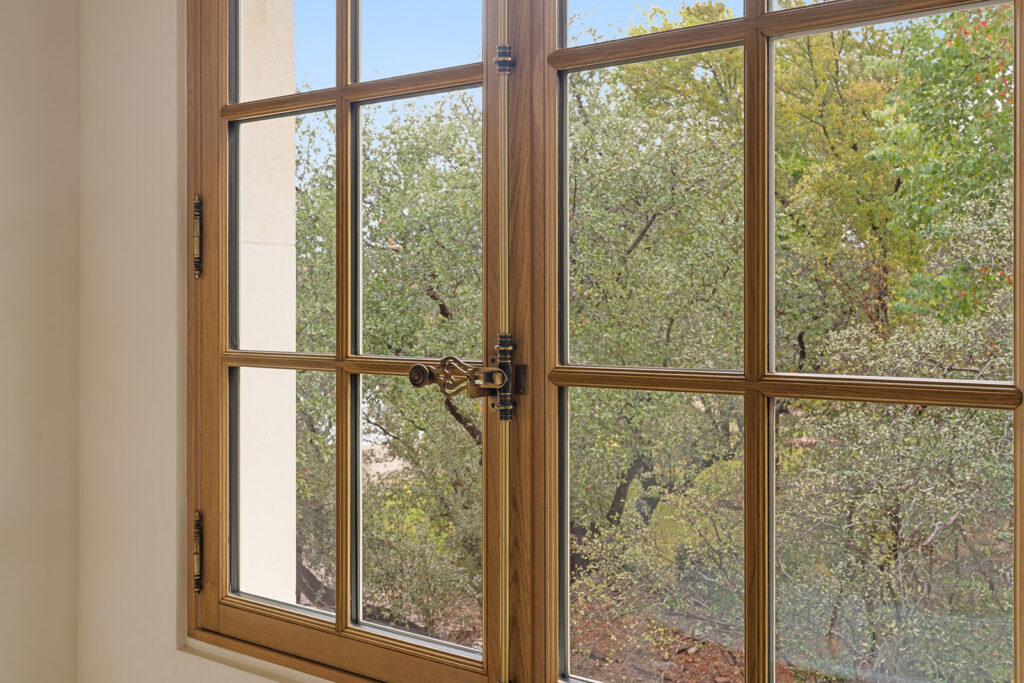
- Warm wood
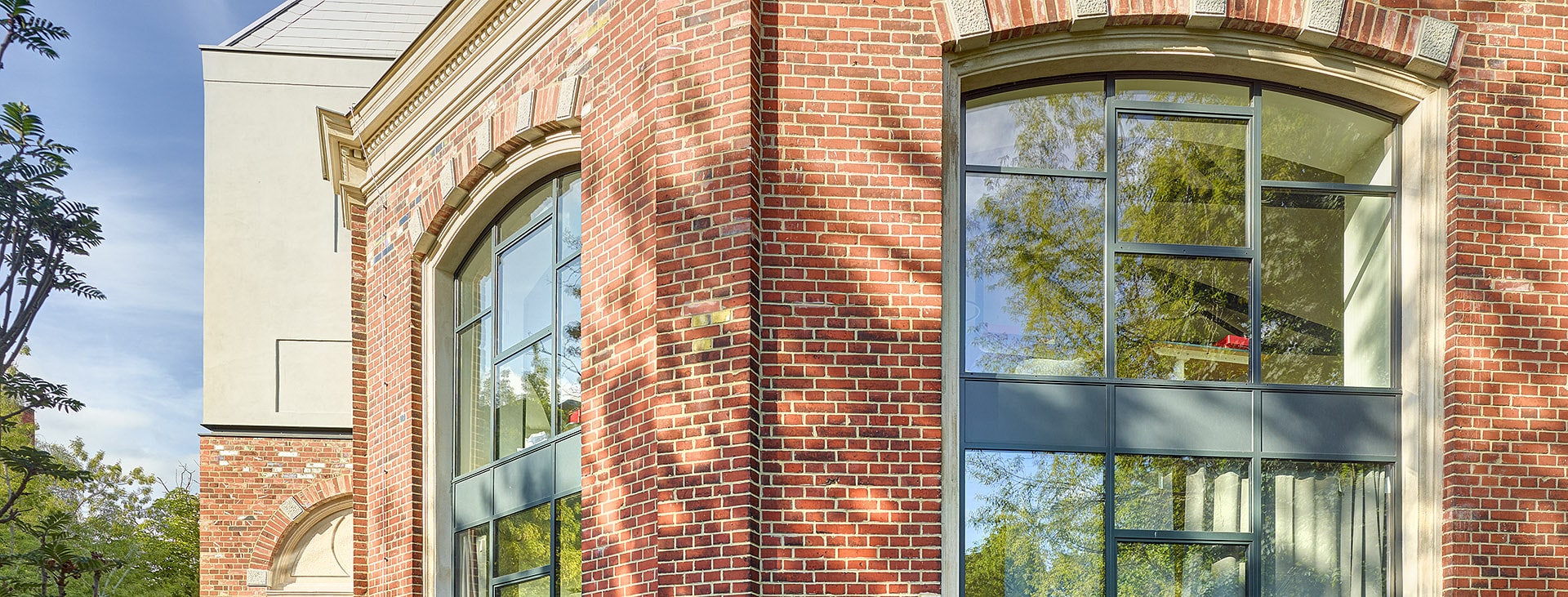
- Custom shapes and oversized formats
- Hardware and detailing that complement the architectural style
The combination of craftsmanship and modern engineering allows windows to become a defining design feature rather than a background element.
Functional Beauty: Where Design Meets Performance
In 2025, successful window design balances visual impact with everyday functionality. Architects must consider:
- Ventilation strategies
- Acoustic insulation
- Security and privacy
- Solar gain management
High-end window systems now integrate all of these elements seamlessly, delivering beauty that performs as well as it looks.
Conclusion
Window design trends in 2026 reflect a shift toward intelligent, sustainable, and light-filled architecture. From slim-framed black windows to expansive glazing and smart technologies, windows play a crucial role in shaping modern living spaces.
If you are considering updating a project with high-performance, design-forward window solutions, Maison Janneau works closely with architects and designers to deliver windows that meet both aesthetic and technical demands.