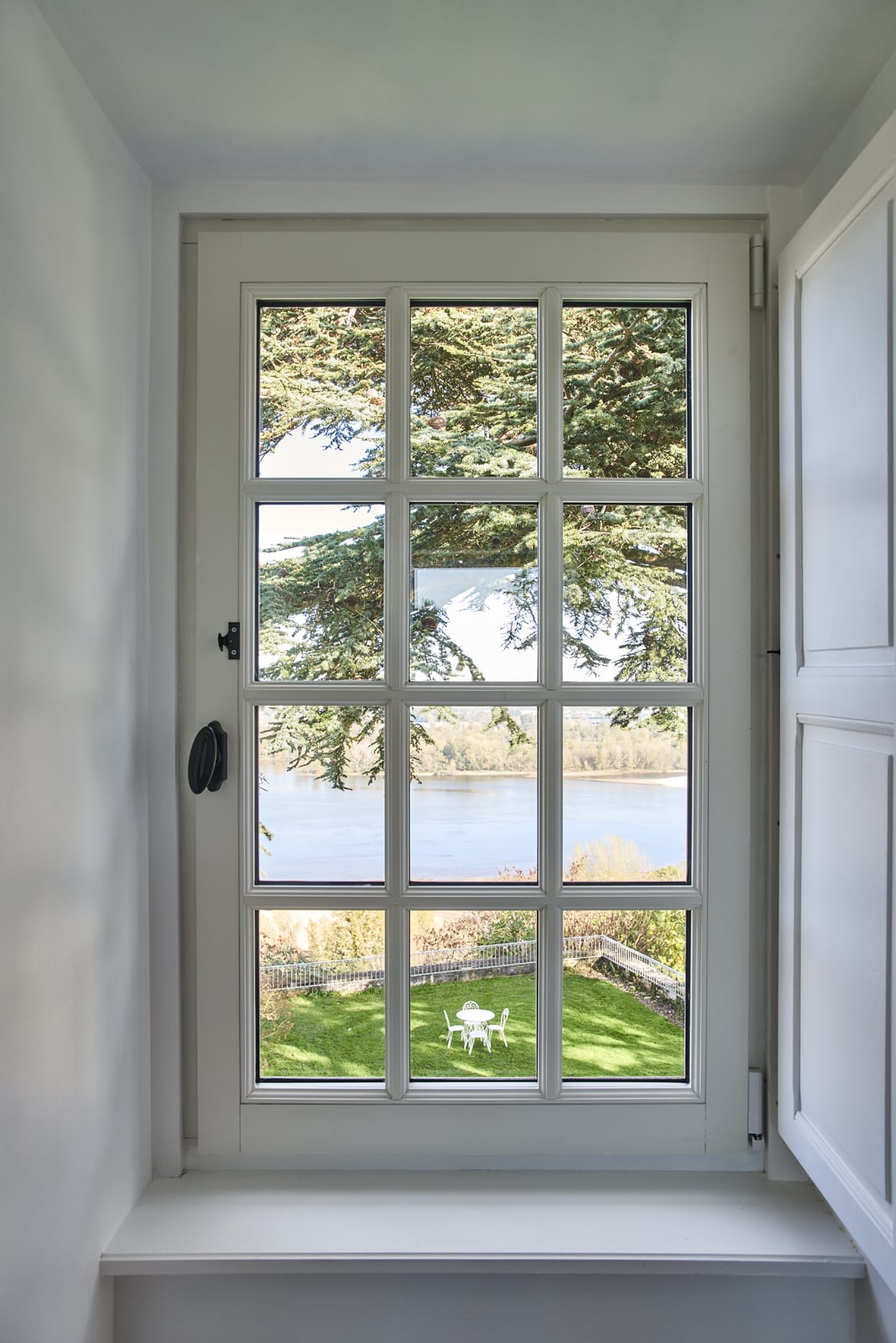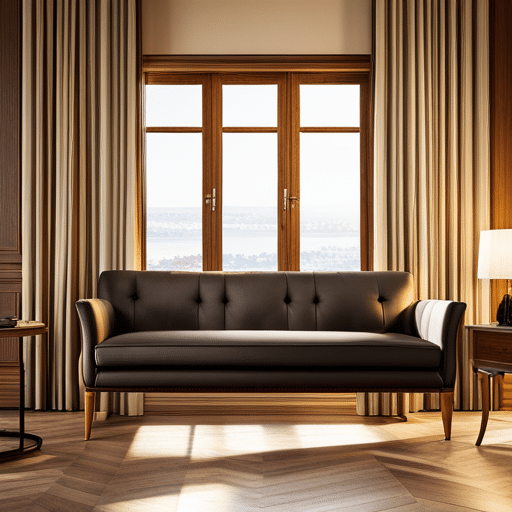
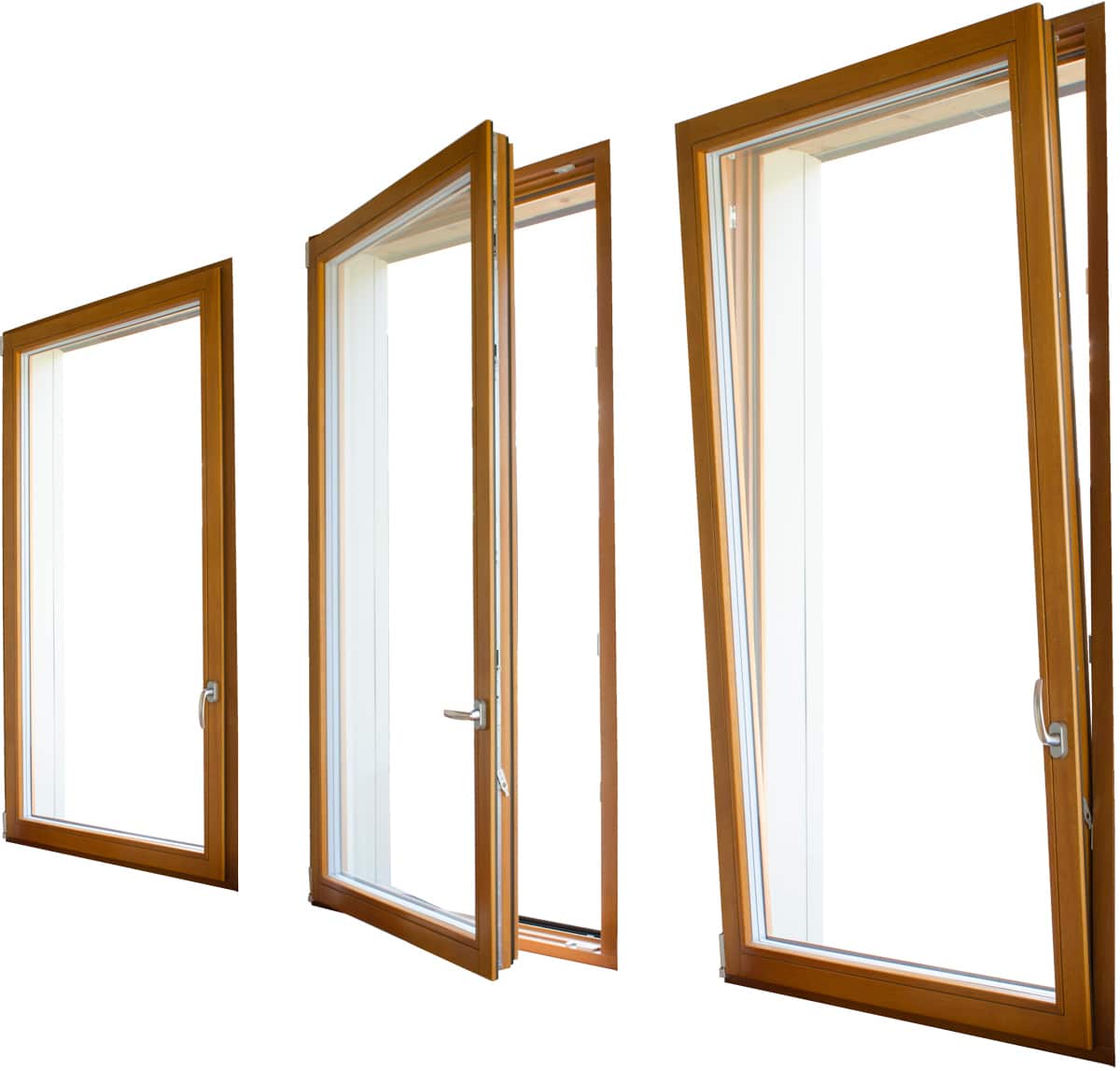
Combining elegant European design with practical functionality, tilt and turn windows offer a distinctive alternative to traditional window systems. With two opening positions operated from a single handle, they provide controlled ventilation, generous airflow, and easy access for cleaning.
Originally developed and widely used across Europe, tilt and turn windows are increasingly appealing to architects, designers, and homeowners looking for high-performance windows with a refined architectural aesthetic.
What Are Tilt and Turn Windows?
The name describes the window’s two opening functions.
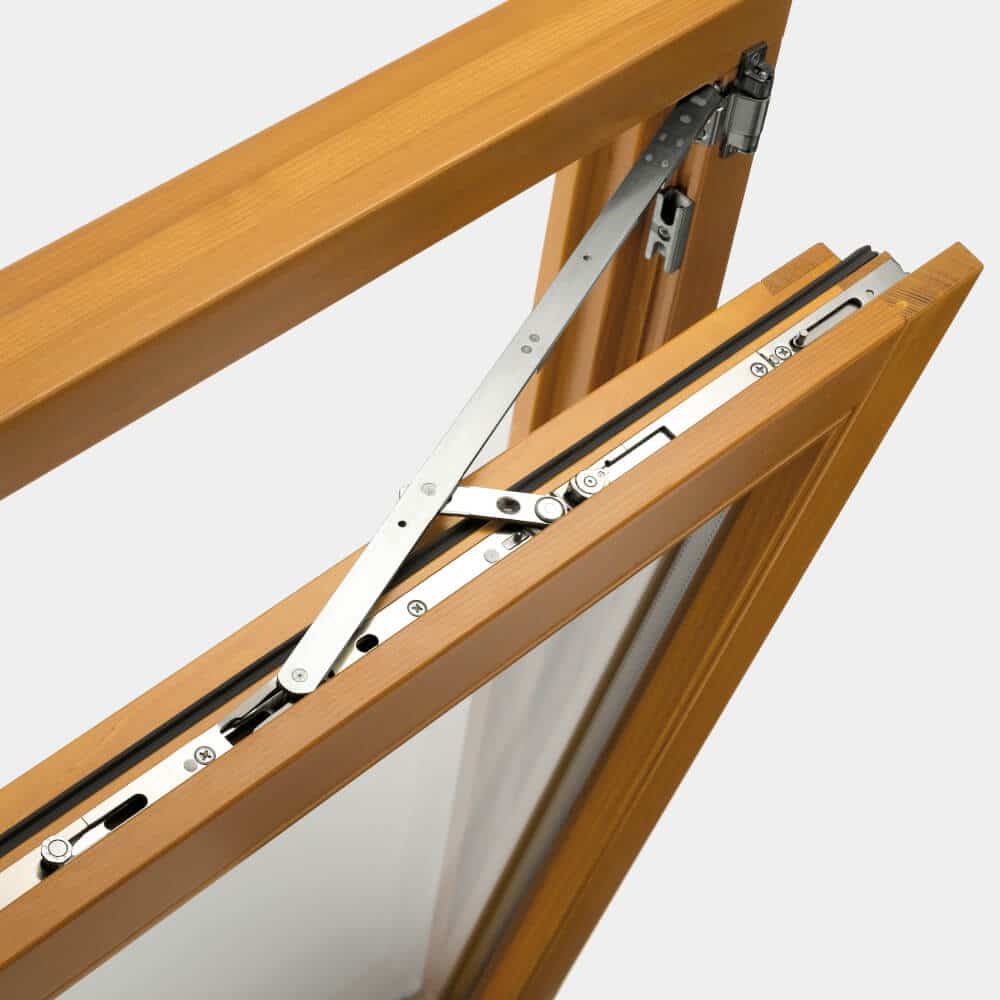
In the tilt position, the top of the sash tilts inward while the bottom remains secured. This creates a controlled opening for natural ventilation while limiting the size of the opening.
In the turn position, the entire sash opens inward like a traditional casement window, providing maximum ventilation and easy access to the exterior side of the glass.
Both functions are controlled using a single handle, making the system intuitive and versatile.
The European Window Design
Tilt and turn windows have become a defining feature of European residential architecture. Their clean lines, generous glazing, and refined proportions suit everything from historic renovations to contemporary homes.
Unlike many conventional American window systems, European tilt and turn windows open inward rather than sliding vertically or horizontally. This operating principle provides architects with greater flexibility when designing ventilation, proportions, and interior spaces.
For American homeowners seeking an authentic European aesthetic, tilt and turn windows offer a distinctive way to bring this architectural tradition into the home.
Two Opening Functions, One Window
One of the main advantages of tilt and turn windows is their versatility.
The tilt position is ideal for everyday ventilation. It allows fresh air to enter while maintaining a more controlled opening, making it particularly useful in bedrooms, kitchens, and living spaces.
The turn position provides a much larger opening for maximum airflow. It also makes the interior side of the window easier to access and simplifies cleaning.
This dual functionality makes tilt and turn windows particularly well suited to modern homes where comfort, ventilation, and ease of use are equally important.
Improved Ventilation and Comfort
Natural ventilation plays an important role in creating comfortable interiors.
Tilt and turn windows allow homeowners to control how much air enters a room depending on the position of the sash. A small tilt opening can provide gentle ventilation, while a fully opened sash allows air to circulate more freely.
Combined with high-performance glazing and properly engineered seals, the system can contribute to a comfortable indoor environment throughout the year.
Designed for Energy Efficiency
Modern tilt and turn windows are designed to combine ventilation with strong thermal performance.
When closed, the sash is secured around its perimeter, creating a tight seal between the frame and the window. Combined with high-performance glazing and insulated frame construction, this can help reduce unwanted air infiltration and heat transfer.
For architects and homeowners designing energy-conscious homes, this combination of European functionality and modern performance makes tilt and turn windows an increasingly attractive option.
Why Choose Wood Tilt and Turn Windows?
While tilt and turn windows are available in several materials, wood windows brings a distinctive architectural character to the system.
Natural wood adds warmth, texture, and depth to an interior while complementing both traditional and contemporary architecture. Premium wood species and carefully applied finishes can be tailored to the character of the home.
For renovation projects, wood tilt and turn windows can also provide a way to combine the appearance of traditional joinery with the functionality of a modern European opening system.
A Custom Solution for Exceptional Architecture
No two architectural projects are identical. Tilt and turn windows can therefore be customized to suit the dimensions, proportions, materials, and aesthetic requirements of a project.
Architects and homeowners can consider different:
- Dimensions and configurations
- Wood species
- Glazing options
- Finishes and colors
- Hardware styles
- Fixed and operable combinations
This flexibility makes tilt and turn windows suitable for both individual residential projects and larger architectural compositions.
Conclusion
Tilt and turn windows combine the elegance of European window design with practical functionality and modern performance. Their dual opening system provides flexible ventilation, easy operation, and convenient access, while high-performance glazing and construction can contribute to thermal comfort and energy efficiency.
For architects and homeowners looking for a window that offers more than conventional functionality, tilt and turn windows provide a refined solution that brings together craftsmanship, performance, and timeless European design.