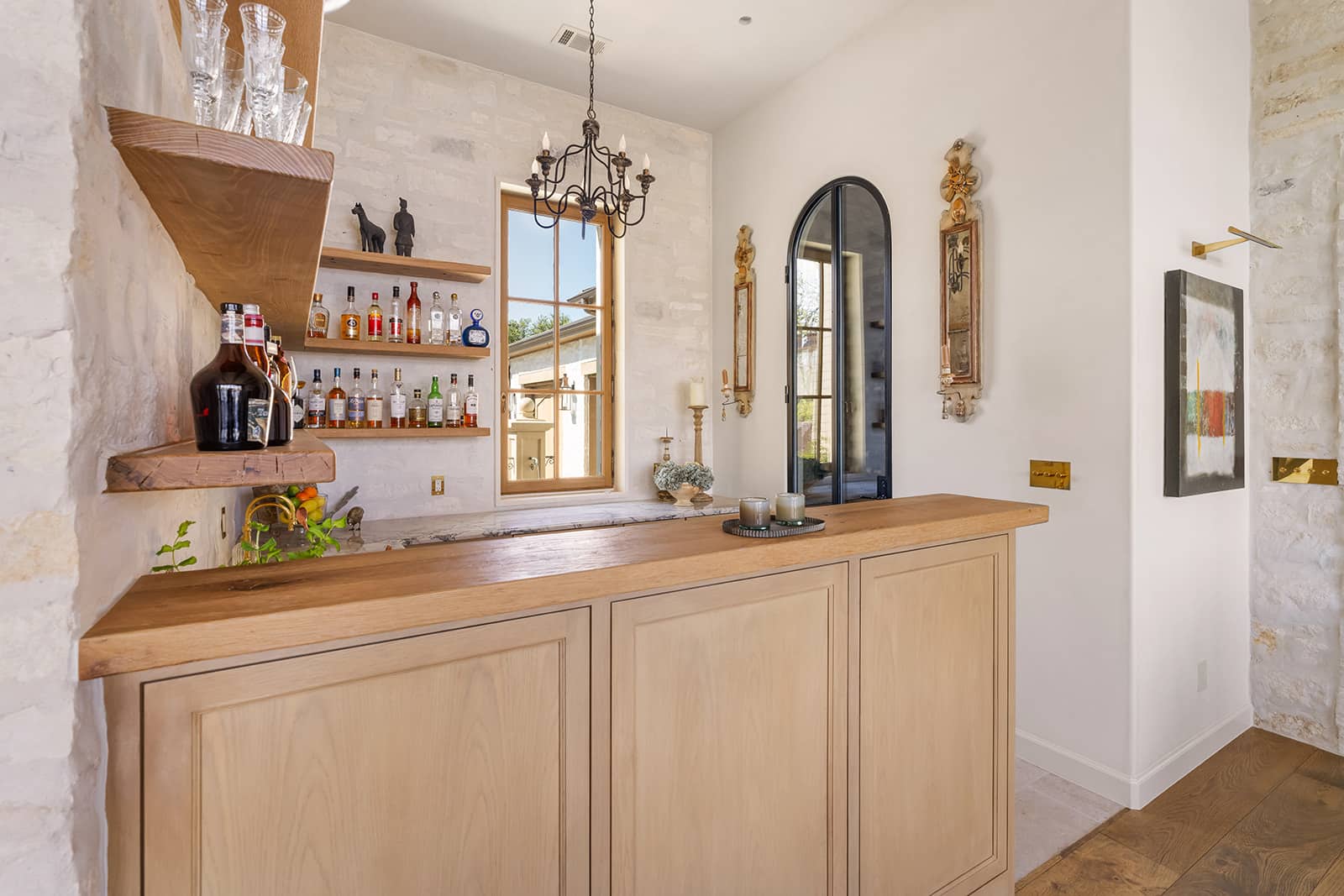
Interior design is about more than selecting furniture, colours and finishes. Every architectural element contributes to the character and atmosphere of a space, and windows are among the most influential. They shape the relationship between indoors and outdoors, determine how natural light enters a room, and play an essential role in defining the overall aesthetic of a project.
For interior designers, window design deserves the same attention as other major design decisions. Beyond their technical function, windows offer opportunities to introduce distinctive materials, refine architectural proportions and create a cohesive visual language throughout a home.
In this article, we explore seven important considerations when selecting windows for interior design projects, from material choices and natural light to customisation and architectural detailing.
Windows: More Than a Structural Element
Windows are a fundamental part of interior architecture. They influence both the appearance and functionality of a space, creating a connection between the building’s architecture and its interior design. Here are seven reasons why window selection should be considered early in the design process.
1. A Dual Impact on Interior and Exterior Architecture
Unlike many interior finishes, windows are visible from both inside and outside a building. Their proportions, frame profiles, materials and opening configurations contribute to the architectural identity of a property while shaping the experience of its interior spaces.
For interior designers, this means considering windows as part of the overall architectural composition rather than treating them as purely functional elements.
2. Balancing Aesthetics and Performance
Window design requires a balance between visual appeal and technical performance. Thermal insulation, acoustic comfort, security and weather resistance are essential considerations, but they should not come at the expense of architectural intent.
High-performance bespoke windows allow designers to achieve both objectives. Frame profiles, glazing configurations and opening mechanisms can be selected to meet the technical requirements of a project while remaining consistent with its aesthetic direction.
3. Proportions and Architectural Harmony
Windows occupy a significant position within a room, influencing the balance between solid surfaces and glazed openings. Their dimensions, positioning and proportions can make a space feel more generous, establish symmetry or introduce a distinctive architectural rhythm.
Whether working on a contemporary residence or a historic renovation, carefully considered window proportions help create harmony between the building’s structure and its interior design.
4. Natural Light and Atmosphere
Natural light is one of the most powerful elements in interior design. The size, orientation and configuration of windows influence how daylight enters a room, how it changes throughout the day and how it interacts with materials and finishes.
Thoughtful window design can enhance the perception of space, highlight architectural details and create different atmospheres depending on the room’s intended use.
5. Material and Customisation Opportunities
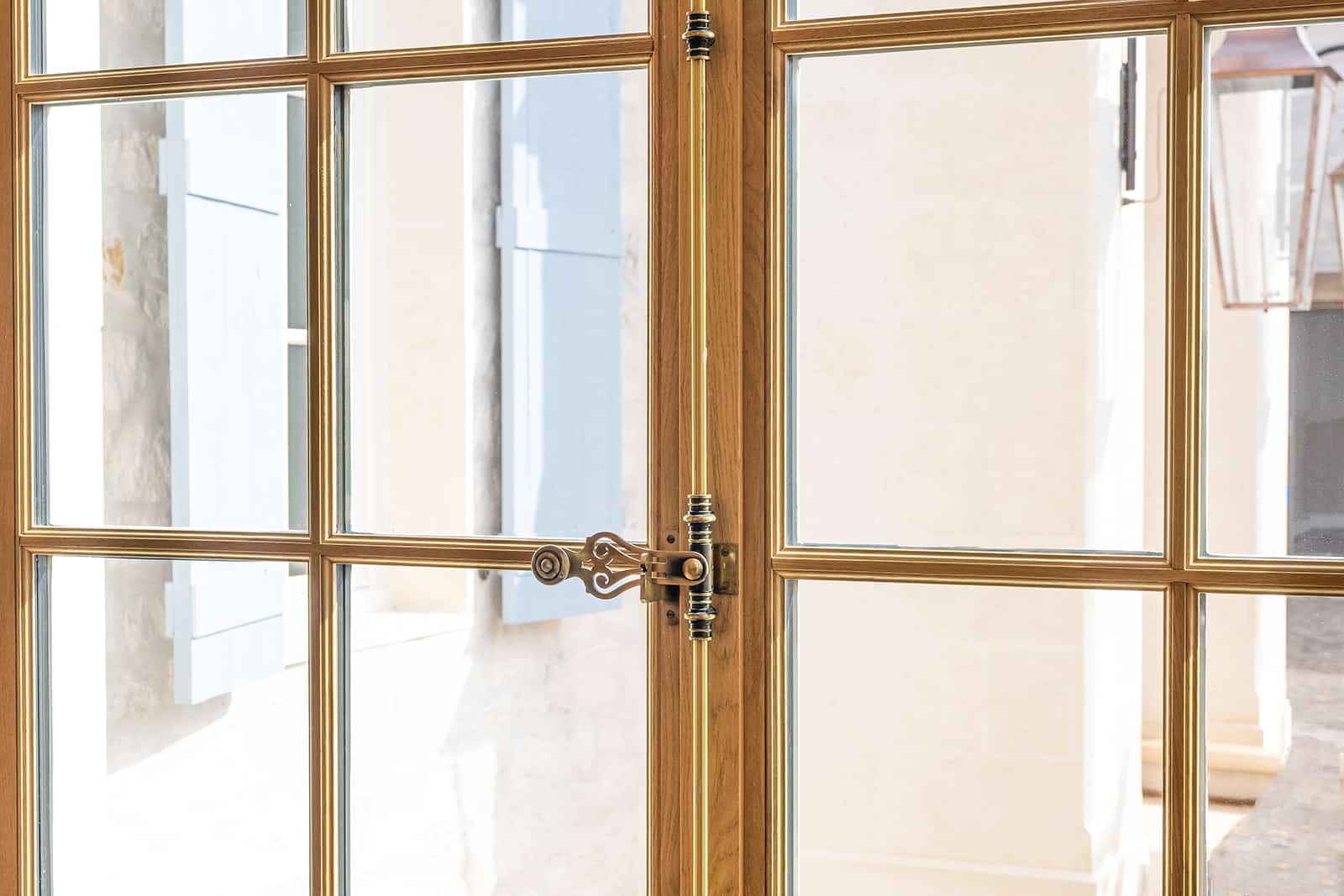
Window materials have a considerable influence on the character of an interior. Natural wood introduces warmth and authenticity, while steel offers fine sightlines and a more contemporary architectural expression. Other materials and finishes can provide additional possibilities depending on the project’s requirements.
Bespoke window manufacturing also allows designers to explore custom dimensions, colours, shapes, frame profiles and decorative glazing. These possibilities make it easier to coordinate windows with flooring, joinery, furniture and other architectural details.
6. Window Surroundings and Architectural Details
The design of a window extends beyond its frame. Window sills, reveals, shutters, curtains, hardware and surrounding finishes all contribute to the final composition.
These elements can be used to create continuity with the interior scheme or introduce subtle contrasts. Hardware, in particular, offers an opportunity to add character through carefully selected materials and finishes.
7. Opening Configurations and the Art of Living
The way a window opens influences how a room is used and experienced. Different opening configurations affect ventilation, accessibility, furniture placement and the relationship between indoor and outdoor spaces.
French inward-opening windows, traditional casement windows and contemporary configurations each offer distinct architectural and functional qualities. Selecting the appropriate opening mechanism helps ensure that the window complements both the design concept and the everyday needs of its occupants.
Using Windows as Design Elements:
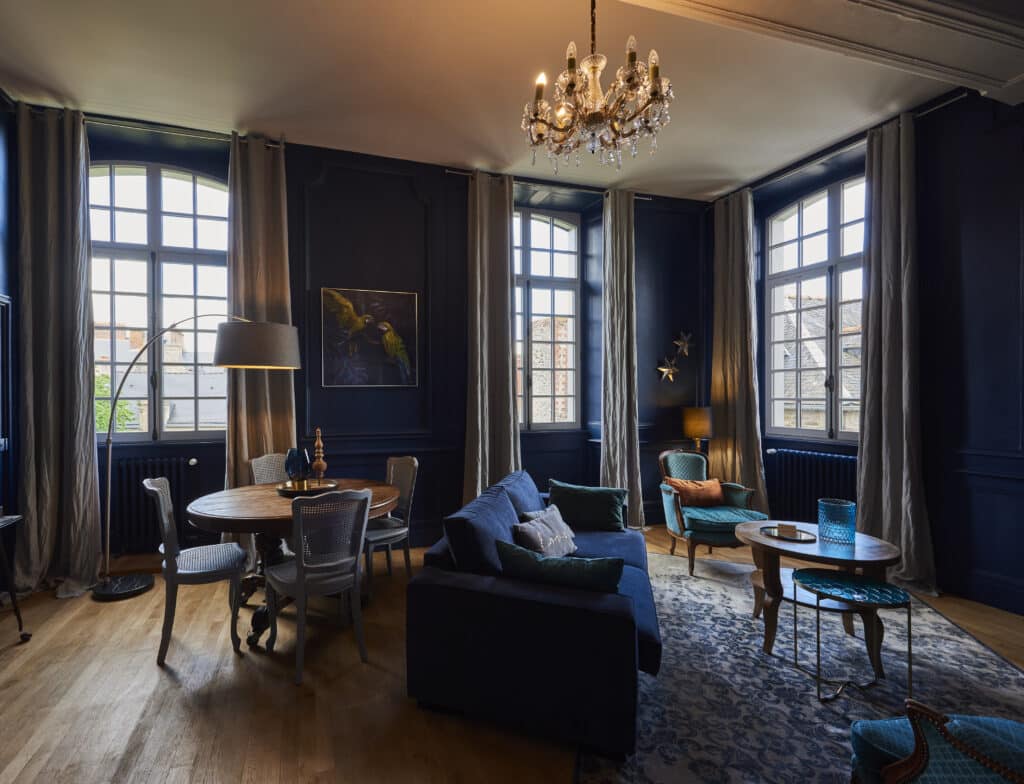
Beyond their practical function, windows can become defining elements of an interior design scheme. Interior designers can use several approaches to integrate them more deliberately into their projects:
- Frame the View: Treat the landscape or surrounding architecture as part of the interior composition. Window placement and proportions can establish visual connections between the room and its surroundings.
- Work with Natural Light: Consider orientation, glazing and opening dimensions to create the desired atmosphere. Natural light can emphasise textures, reveal material qualities and transform the perception of a space.
- Choose Materials with Intention: Select window materials that complement the architectural language of the project. The warmth of wood, the slender profiles of steel and the character of bespoke finishes can each contribute to a distinctive interior.
- Pay Attention to Details: Hardware, window sills, shutters and decorative glazing should be considered as part of the overall design. These details can reinforce the project’s aesthetic identity and create a more coherent result.
Conclusion
Window design is an essential part of successful interior architecture. From natural light and architectural proportions to materials, finishes and opening configurations, every decision contributes to the character and functionality of a space.
For interior designers working on distinctive residential projects, bespoke windows offer considerable creative freedom. The ability to tailor dimensions, materials, finishes and detailing makes it possible to achieve a closer relationship between architectural intent and interior design.
At Maison Janneau, we combine French craftsmanship with technical expertise to create bespoke wood and steel windows, doors and interior partitions. Working closely with architects and interior designers, we develop tailored solutions that respect the architectural identity of each project while meeting contemporary performance requirements.