Throughout history, windows have served a purpose far greater than simply bringing light into a building. They shape the way we experience architecture, frame our view of the world, and influence how spaces are perceived. It is no surprise, then, that windows have long inspired both architects and artists alike.
From grand cathedrals and historic châteaux to modern residences and celebrated paintings, windows have become powerful symbols of beauty, connection, and creativity. Exploring their role in architecture and art reveals how these seemingly simple elements continue to inspire exceptional design.
Windows as Architectural Masterpieces
Architects have always understood the transformative power of windows. Beyond their practical function, they define the character of a building and influence the quality of life within it.
In Gothic architecture, towering stained-glass windows flooded interiors with colored light, creating spaces that felt both monumental and spiritual. During the Renaissance, carefully proportioned windows helped establish balance and symmetry, reflecting the era’s pursuit of harmony and order.
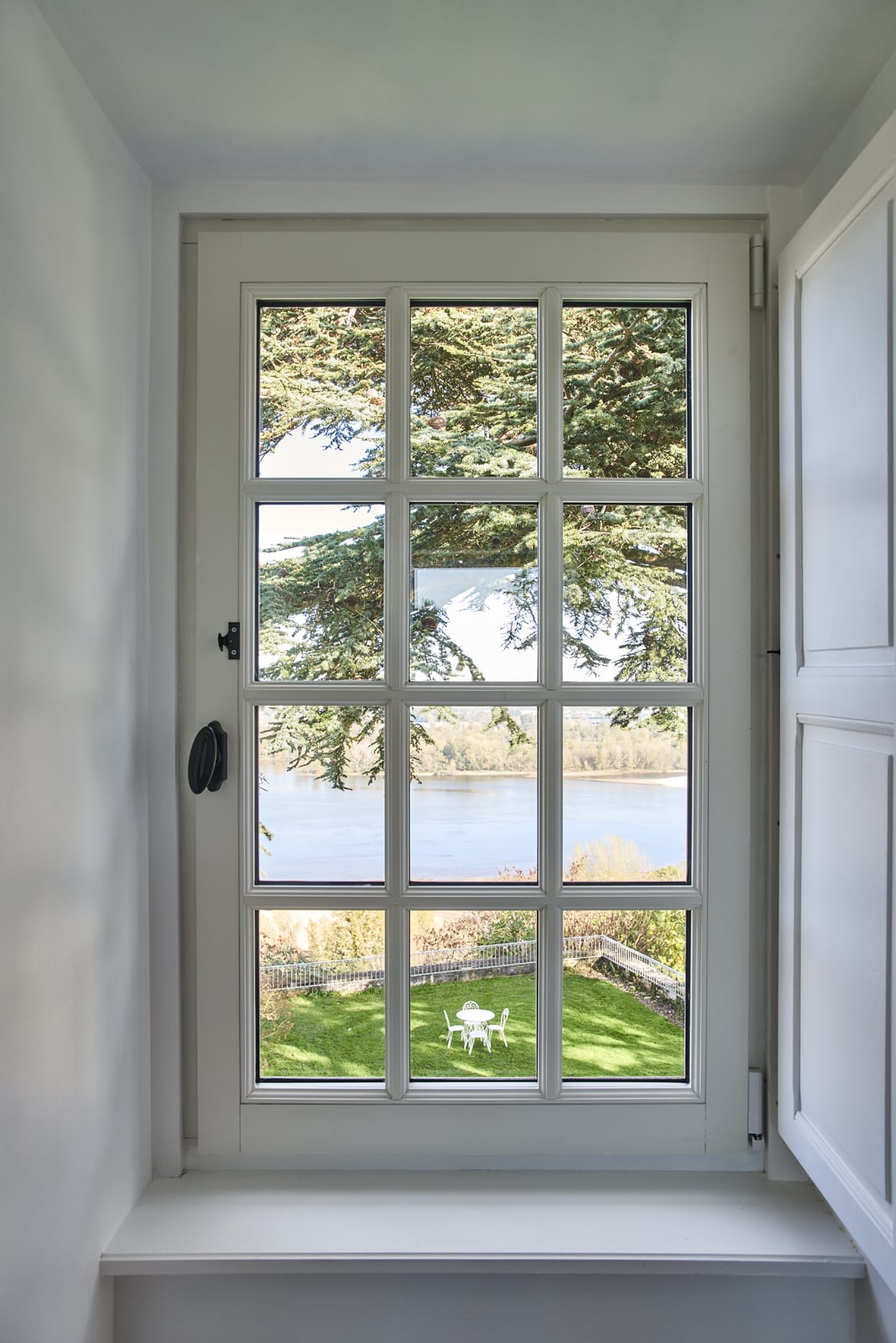
French architecture, in particular, elevated the window to an art form. Tall French casement windows blurred the boundary between interior and exterior spaces, inviting natural light while offering elegant views of gardens, courtyards, and landscapes. Their timeless proportions continue to inspire architects around the world today.
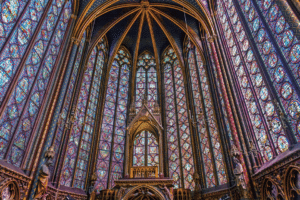
Stained-glass windows in the Sainte Chapelle, Paris, 13th century.
The Window as a Frame
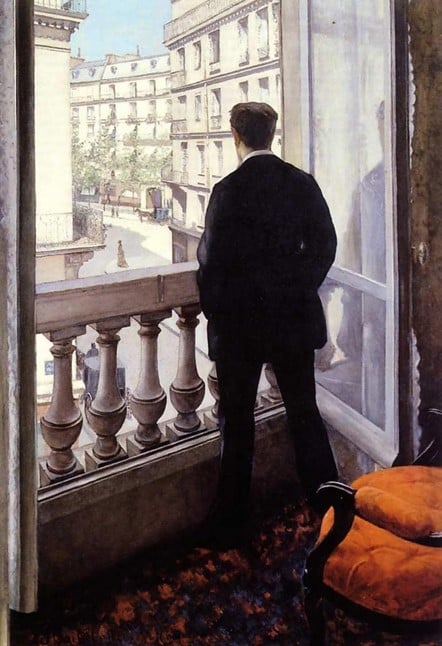
One reason windows appear so frequently in art is their natural ability to frame a scene. Much like a painting, a window directs attention, creates perspective, and encourages observation.
Artists have long used windows to guide the viewer’s eye. Whether looking outward toward a landscape or inward toward a domestic scene, the window becomes a visual frame within the composition. It establishes a relationship between the observer and the world beyond.

This same principle influences architectural design. A thoughtfully positioned window can transform an ordinary view into a focal point, creating moments of beauty that change throughout the day as light and weather evolve.

Light: The Essential Connection Between Art and Architecture
Few elements are as important to both artists and architects as natural light.
Painters have spent centuries studying how sunlight interacts with people, objects, and interiors. Likewise, architects carefully consider window placement to shape the atmosphere of a space. The direction, size, and proportion of a window determine how light enters a room, influencing mood, comfort, and visual experience.
A well-designed window can fill an interior with soft morning light, highlight architectural details, or create dramatic contrasts that change with the seasons. In this way, windows become active participants in the design rather than passive building components.
Windows as Symbols of Possibility
Beyond their physical function, windows often carry symbolic meaning in both art and architecture.
They can represent opportunity, freedom, discovery, and connection. Looking through a window suggests movement between two worlds: the private and the public, the interior and the exterior, the familiar and the unknown.
This symbolism explains why windows appear so frequently in literature, painting, photography, and architectural design. They invite reflection while simultaneously opening spaces to new perspectives.
For homeowners, windows often become the most cherished architectural features of a property, connecting daily life to the surrounding landscape and bringing the changing seasons indoors.
Inspiration for Contemporary Design
Today, architects and designers continue to draw inspiration from the historical role of windows in art and architecture.
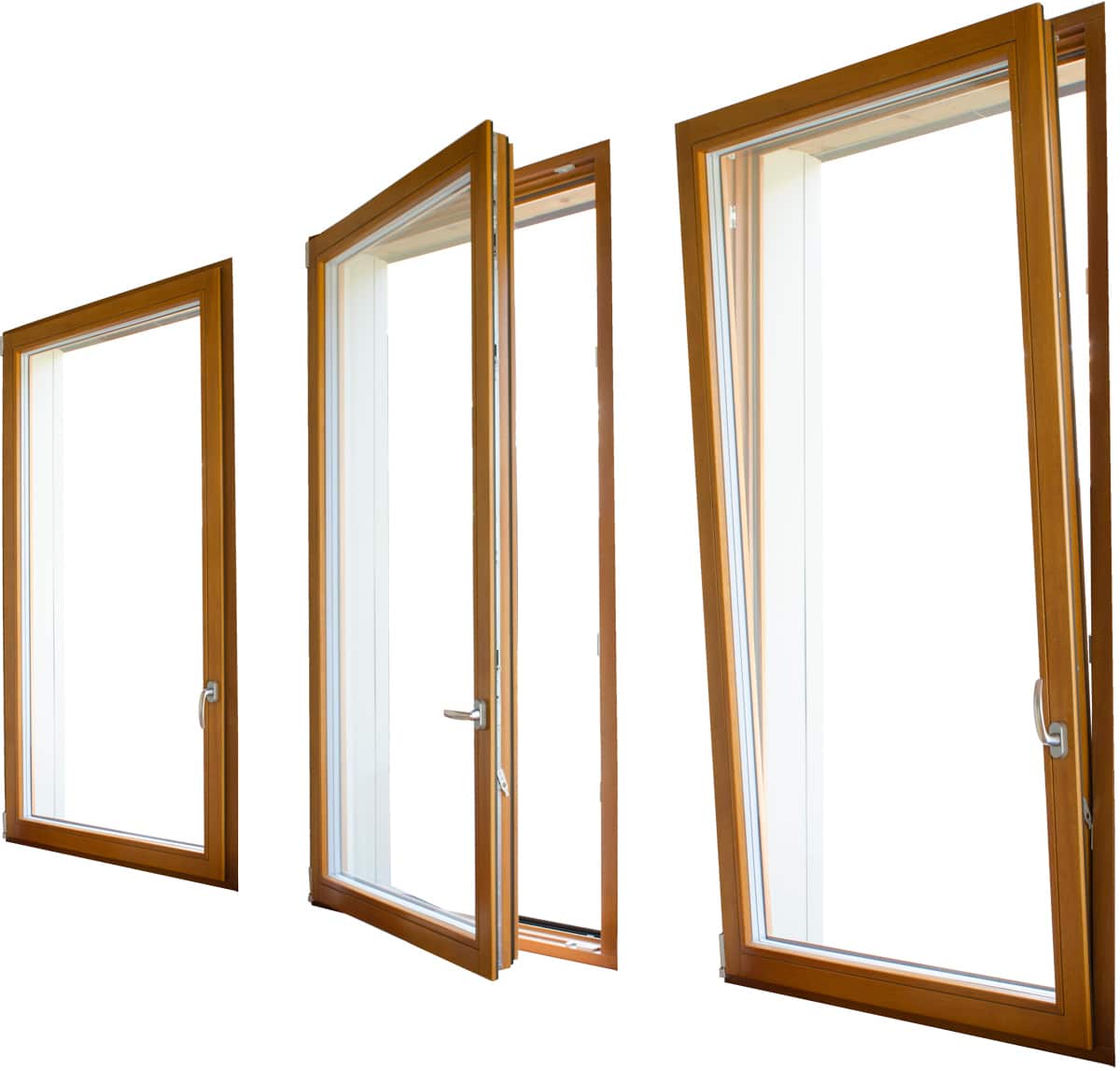
Large expanses of glass, slim steel frames, custom wood windows, and traditional French casement designs all reflect a shared goal: maximizing light, framing views, and enhancing the experience of space.
While technologies have evolved, the fundamental purpose remains unchanged. Great windows create a dialogue between architecture and its environment, balancing beauty, performance, and craftsmanship.
Whether inspired by centuries-old French architecture or contemporary minimalist design, windows remain one of the most powerful tools for shaping how we experience a home.
Conclusion
The enduring presence of windows in both architecture and art highlights their unique ability to connect people with light, landscape, and design. They frame views, inspire creativity, and transform the character of a space.
From historic masterpieces to modern residences, windows continue to influence the way we build, create, and experience the world around us. More than architectural elements, they are enduring sources of inspiration: bridging art, craftsmanship, and everyday life.